Location: Municipality of Kavaja
Implementation period: September 2022 – August 2023
Funding: UNOPS
Total Budget: €58,966 (€56,165 funded by UNOPS)
Implementing partners: Fondacioni Gjirokastra – GCDO
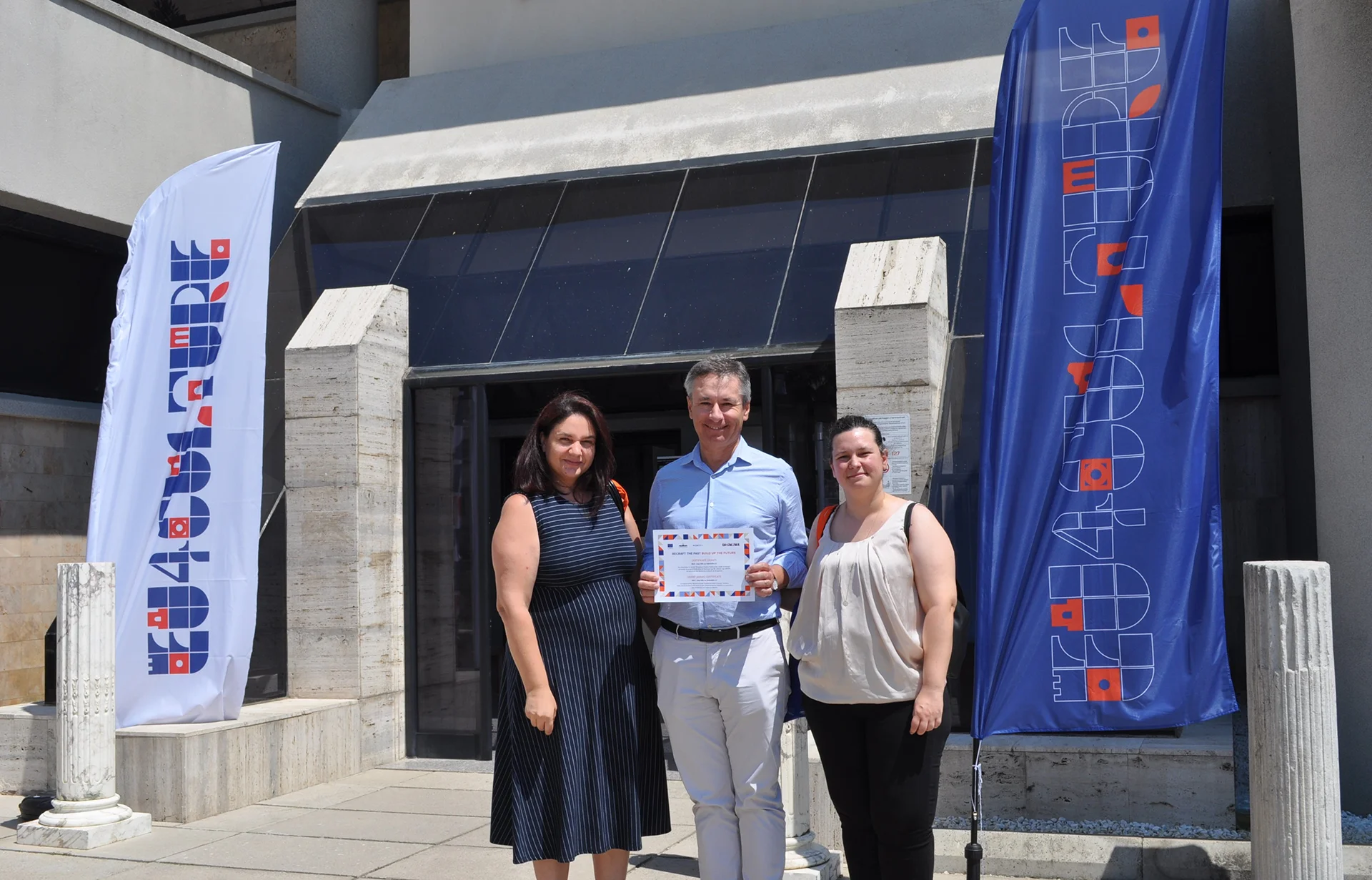
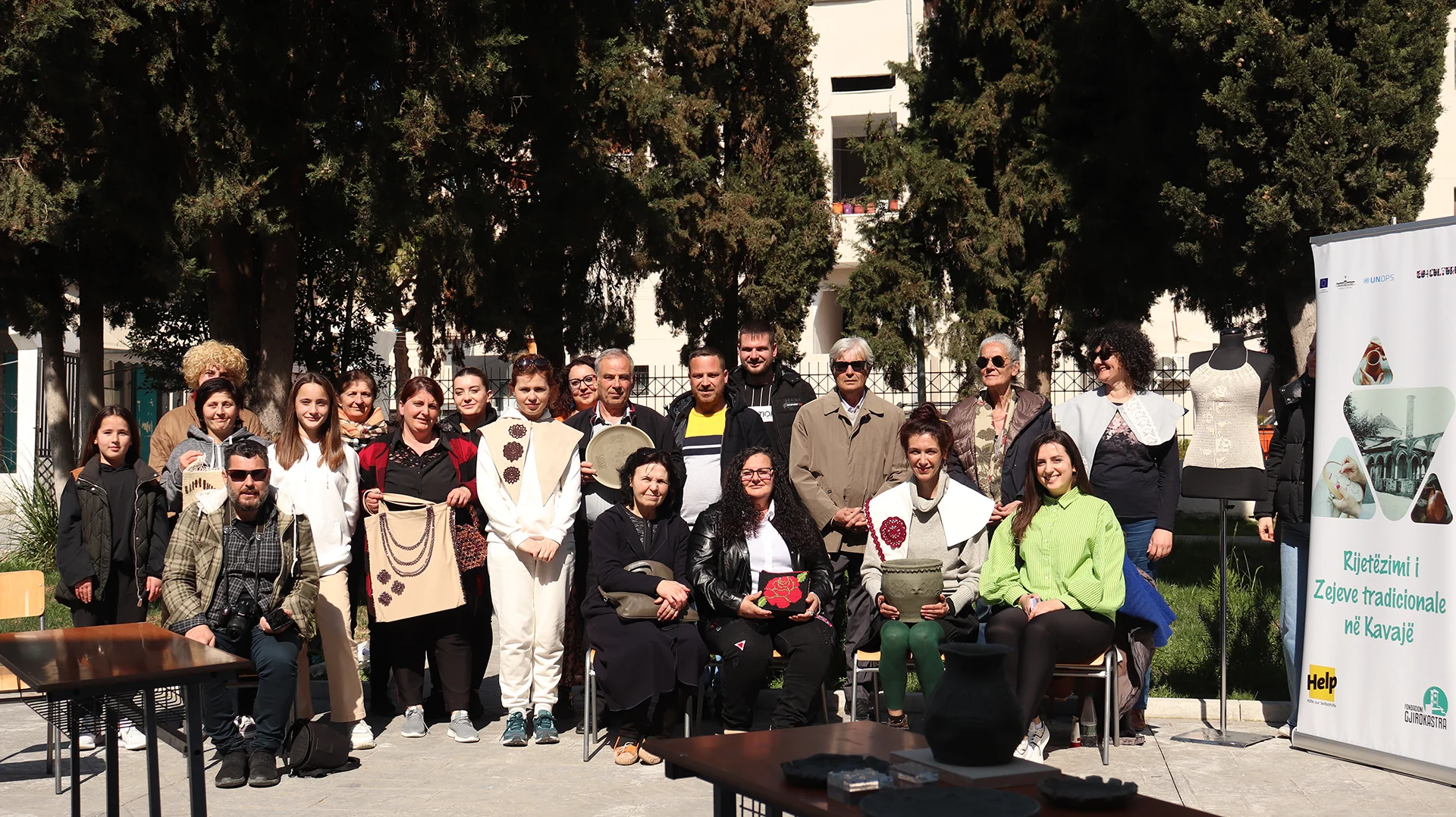
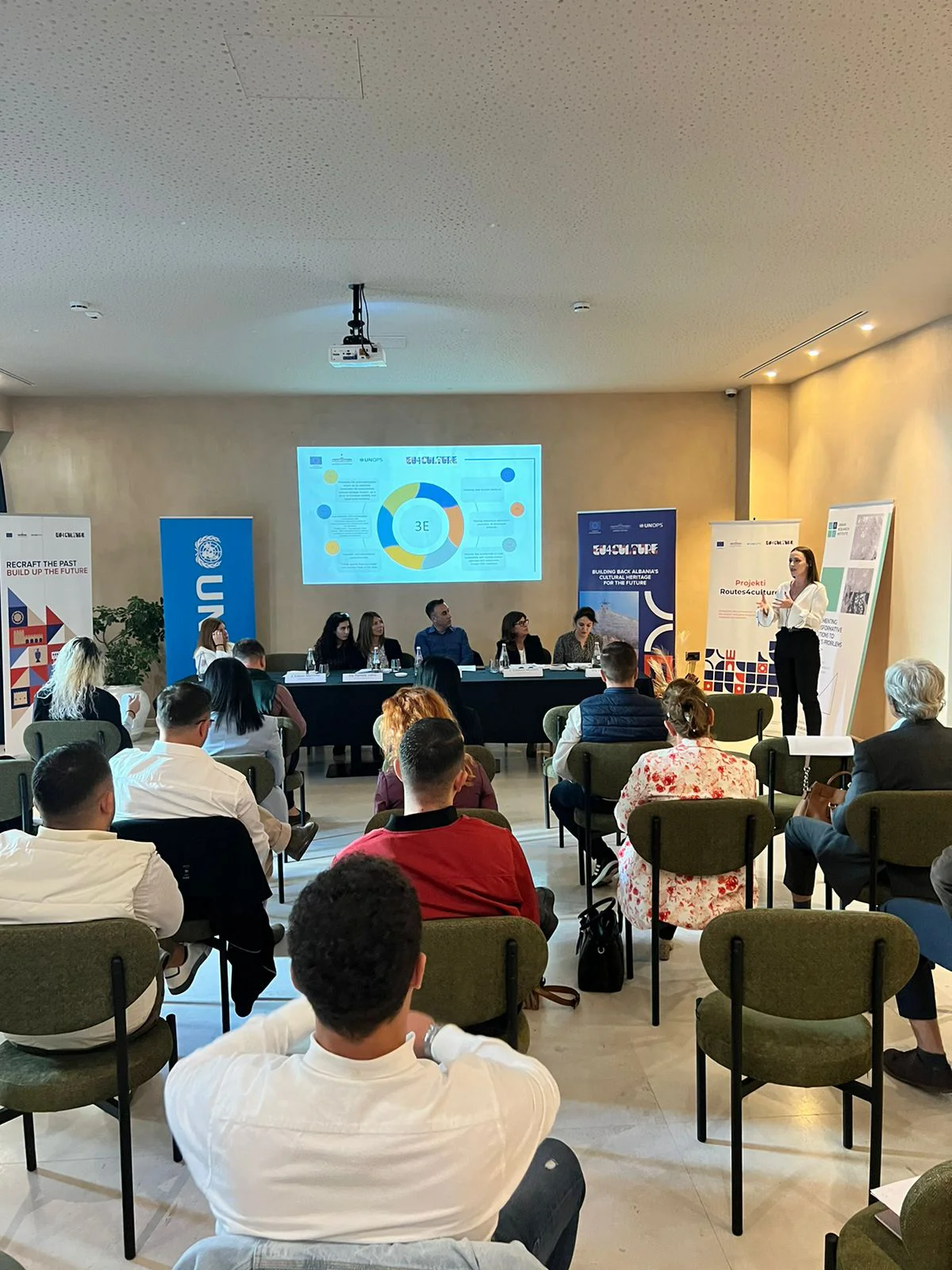
Help – Hilfe zur Selbsthilfe, in partnership with Fondacioni Gjirokastra – GCDO, implemented the project “Revival of Local Traditional Crafts in Kavaja” within the EU4Culture programme, funded by the European Union and implemented by UNOPS in cooperation with the Ministry of Culture. The project revitalized the traditional crafts of Kavaja, created socio-economic opportunities, and promoted the integration of cultural heritage into the local tourism value chain.
The project enhanced the production and visibility of traditional crafts in Kavaja by supporting local artisans, empowering women and youth through apprenticeships and training, and fostering sustainable livelihoods linked to cultural tourism.
Key results:
- 9 new employment opportunities created specifically for women and youth.
- 16 jobs created for vulnerable and economically disadvantaged groups.
- 11 new cultural tourism products developed through artisanal innovation.
- 1 comprehensive market analysis on the cultural tourism value chain conducted.
- 50 direct beneficiaries engaged in project activities (33 women, 17 men).
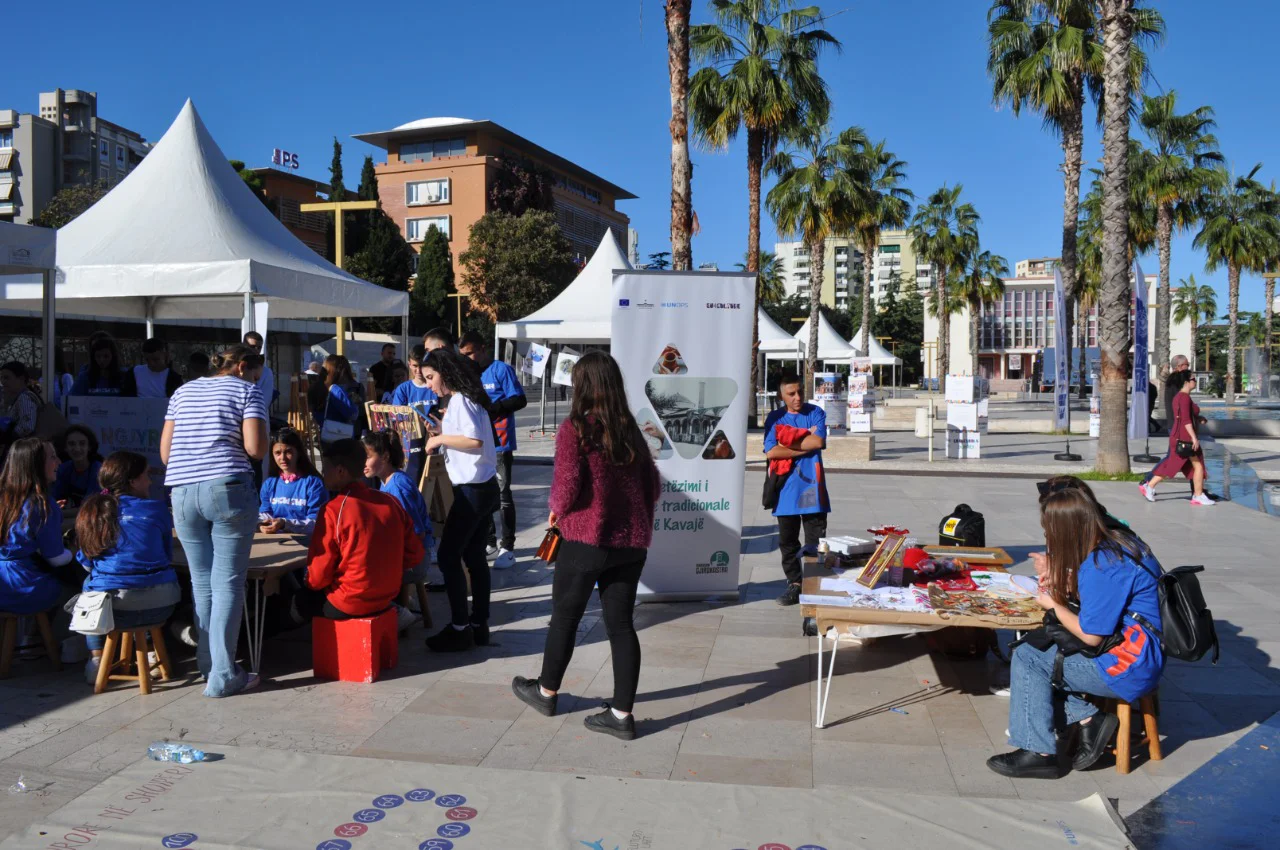
- 6 capacity-building workshops and art camps organized on product development, marketing, and entrepreneurship.
- 4 promotional videos produced, showcasing intergenerational artisan stories and crafts. https://youtube.com/playlist?list=PLRiqapHGe0O-TgDIaJz12CTmJDT5Jz-dj&si=96Co6HZVqKE53e1Y
- A printed and digital “Artisanship Handbook” published, documenting the history, techniques, and artisans of Kavaja. https://issuu.com/go2albania/docs/fije_balte_artizanati_kavaje
- 1 Familiarization Tour organized with journalists and tour operators to include Kavaja’s crafts in tourism itineraries.
Success stories:
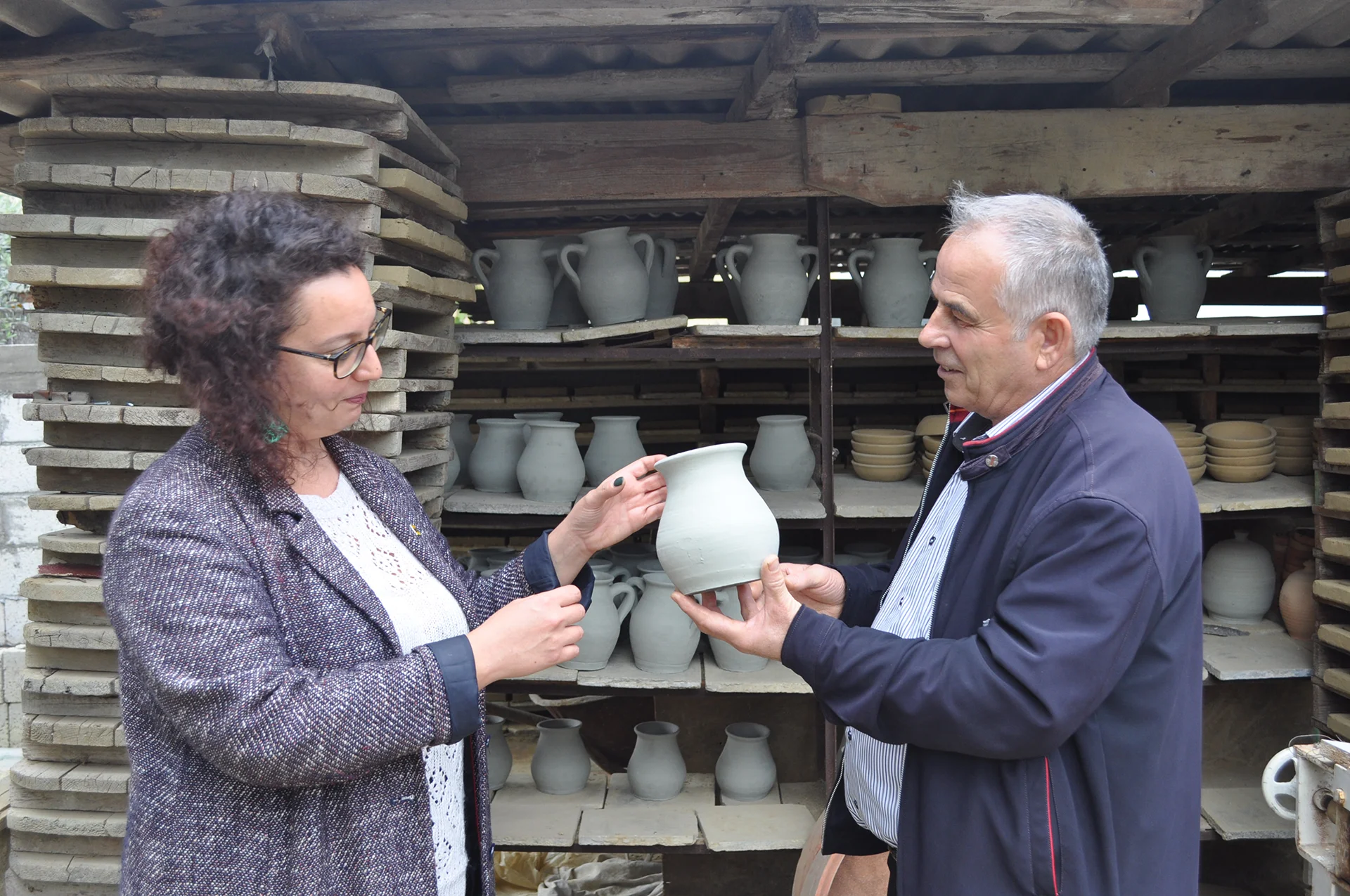
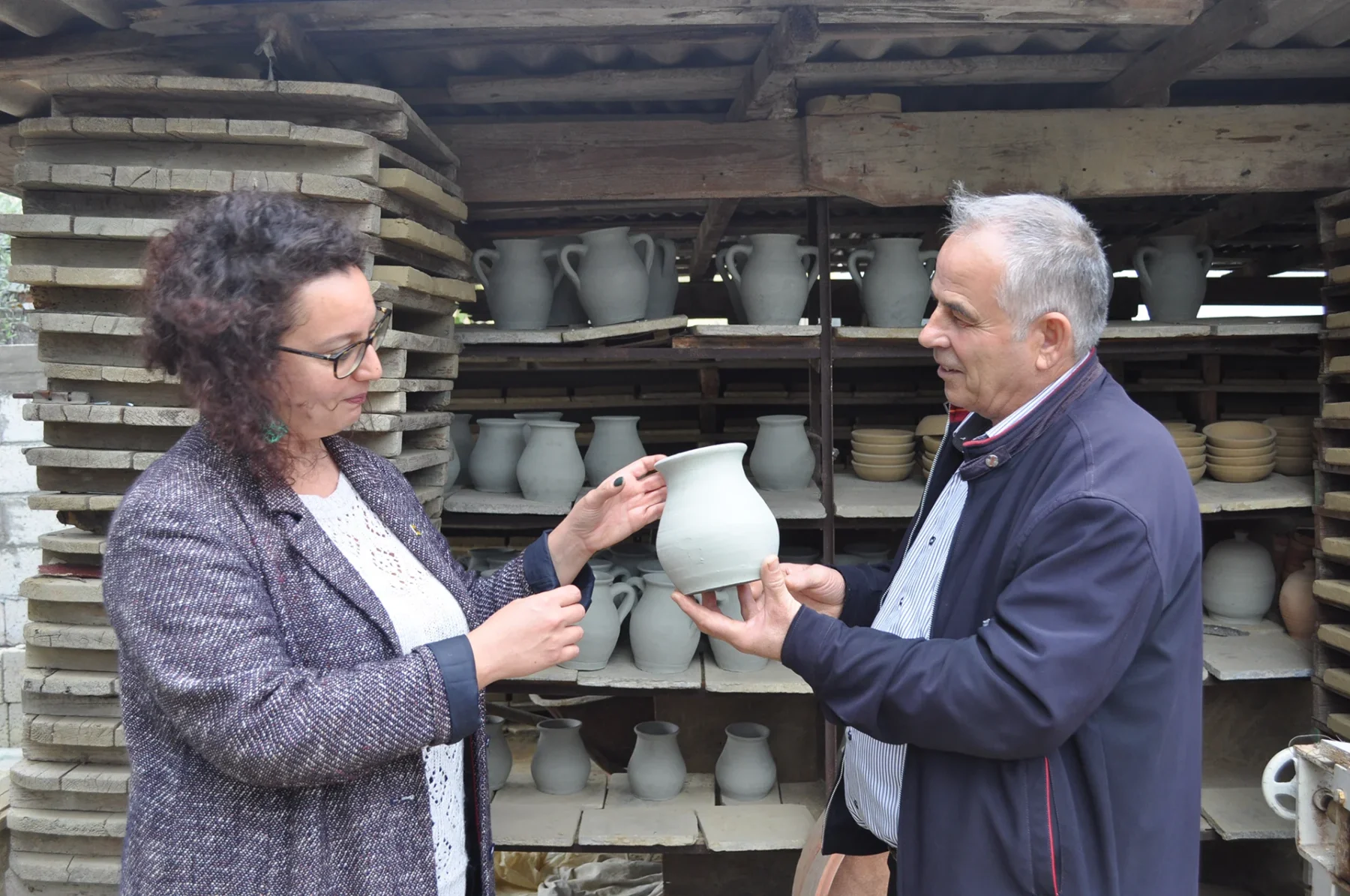
- Franko Kostrista, a young apprentice, revived his family’s five-generation pottery tradition, turning it into his full-time profession.
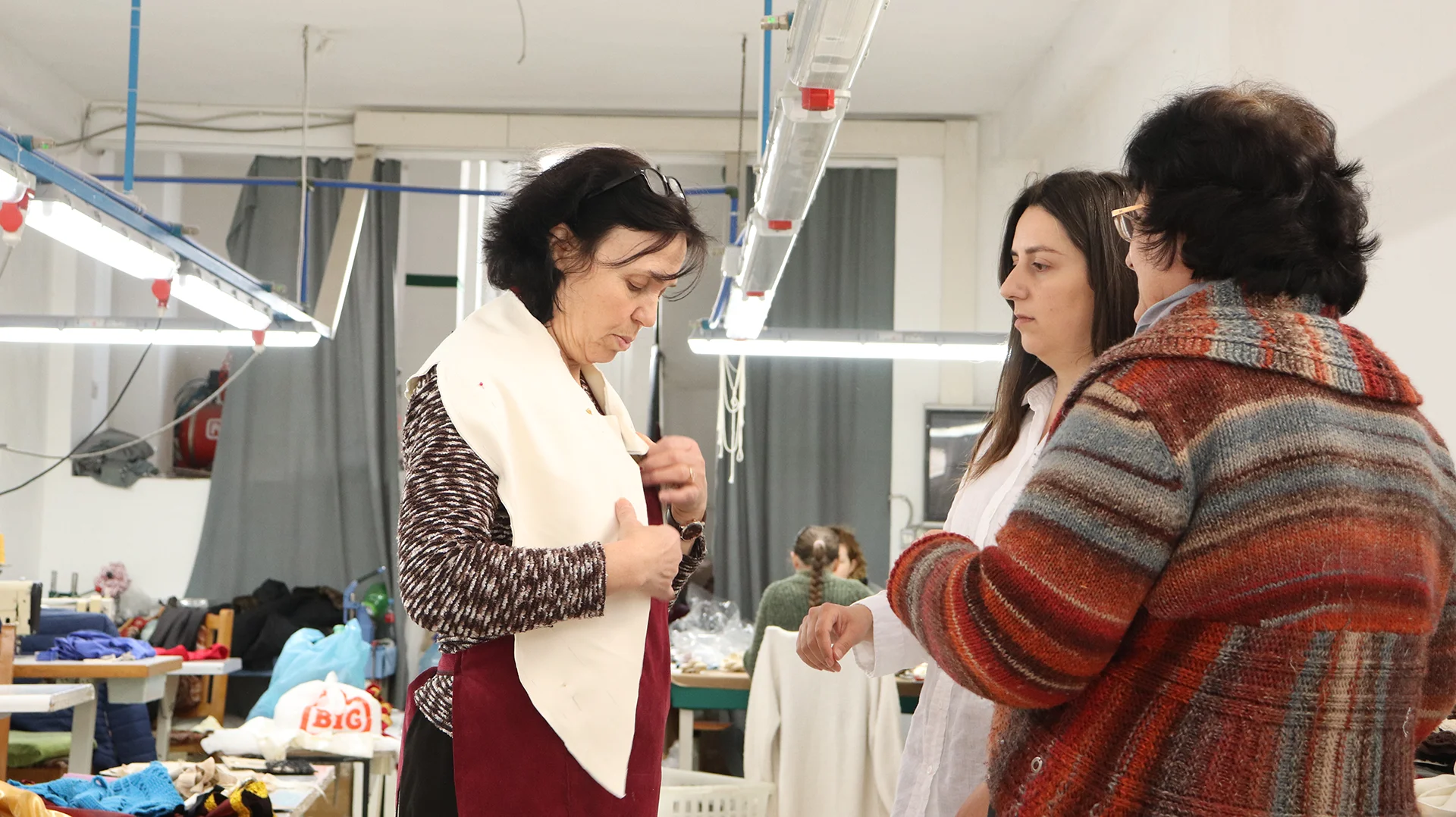
- Joana Kacorri, a sustainable fashion designer, began collaborating with local artisan Myrvete Topi following the “Fije Balte” Art Camp, integrating traditional textile techniques into modern design.
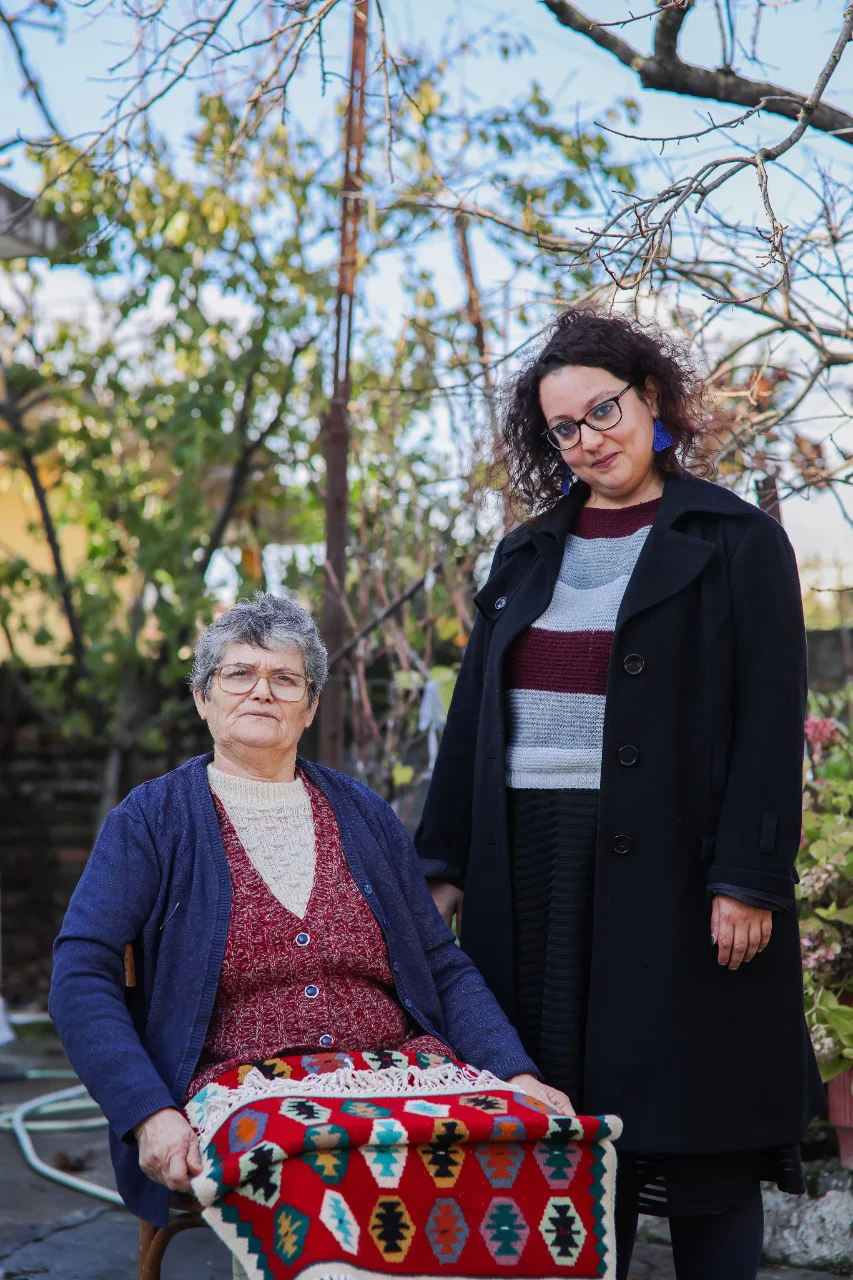
- Luçie and Myzejen Hoxha, a mother- and daughter-in-law duo, preserved and transferred the art of handloom weaving to a new generation of artisans.
The project contributed to preserving Kavaja’s rich cultural heritage while creating tangible economic opportunities for local communities. By connecting artisans with tourism networks, empowering women and youth through training, and strengthening partnerships with local institutions, the initiative built a sustainable model for cultural and economic revitalization in Kavaja.